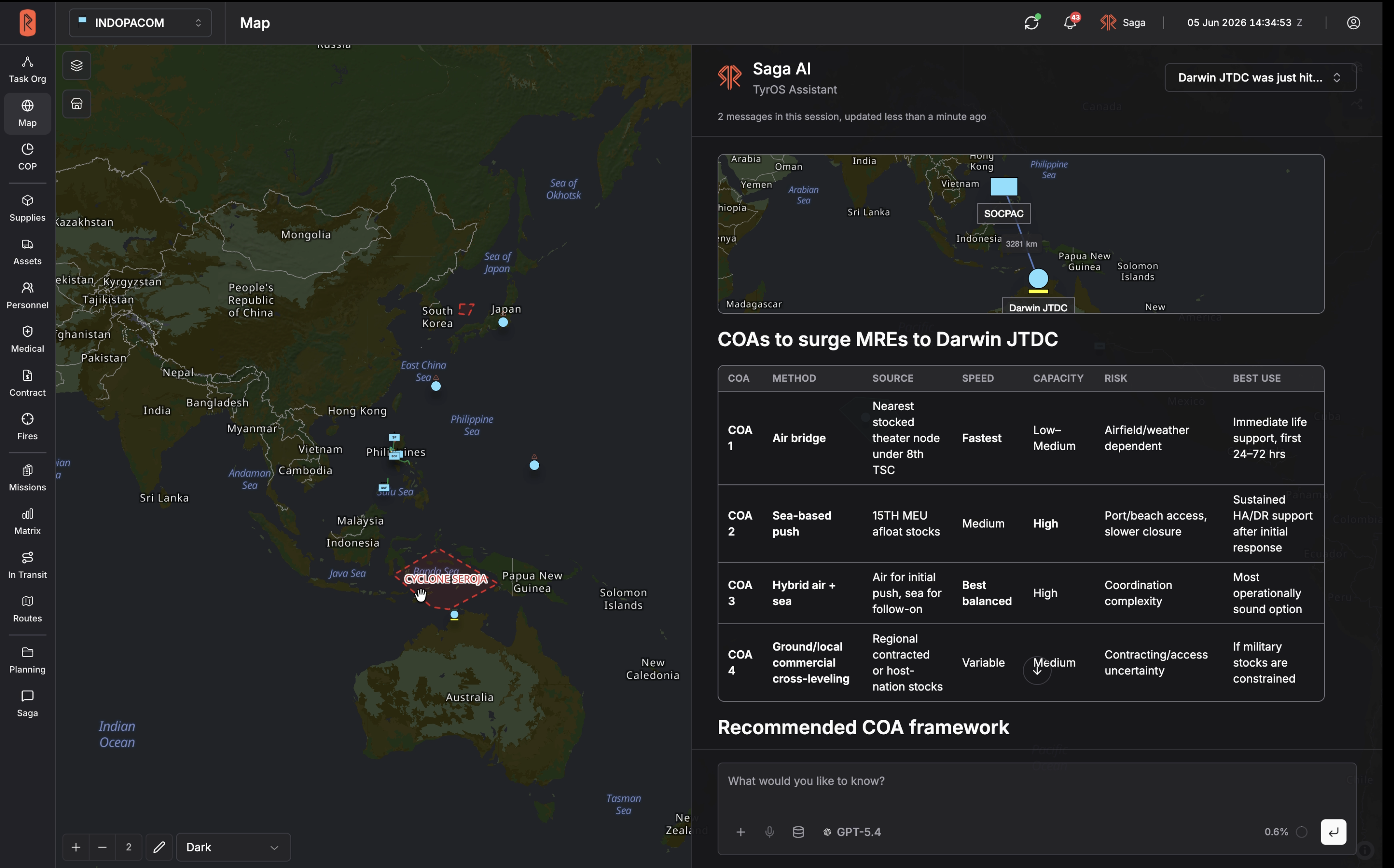
TyrOS is the operating system for sustainment that gives commanders and logisticians one AI-powered platform for tracking supply, forecasting demand, and routing distribution.
TyrOS is the operating system for sustainment that gives commanders and logisticians one AI-powered platform for tracking supply, forecasting demand, and routing distribution.
Leveraging AI for decision support, predictive analytics, and optimization at machine speed, TyrOS supports logisticians from planning through execution.
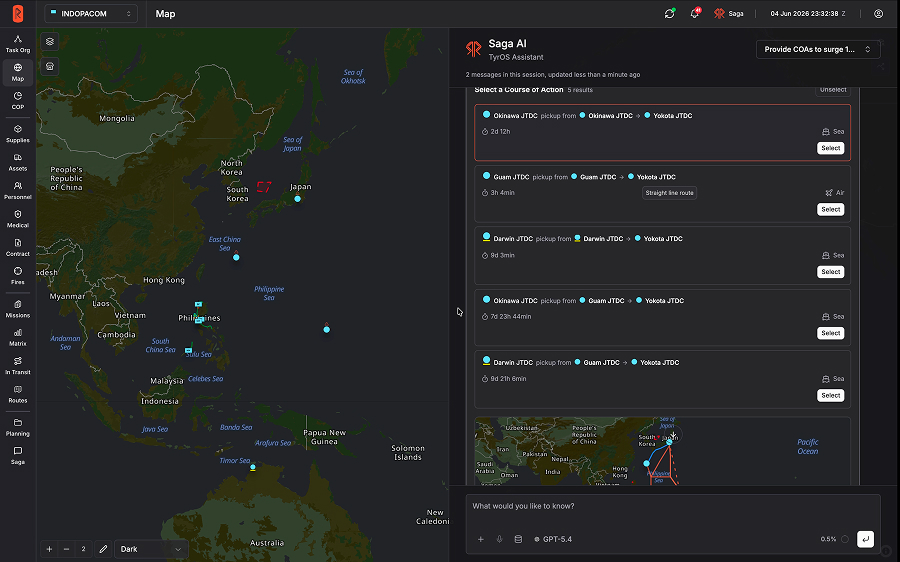

TyrOS is built for the tactical edge, efficiently caching the most critical last known inventory, route and vehicle data to enable disconnected operation with a minimal resource footprint.

TyrOS detects windows of connectivity and transmits data to other nodes in its mesh network, prioritizing data and limiting bandwidth tailored to user and mission requirements.
TyrOS scales its storage and compute footprint to its environment, staying nimble at the edge and utilizing the full power of the enterprise cloud when available.
One platform with power to tackle the hardest problems in logistics.
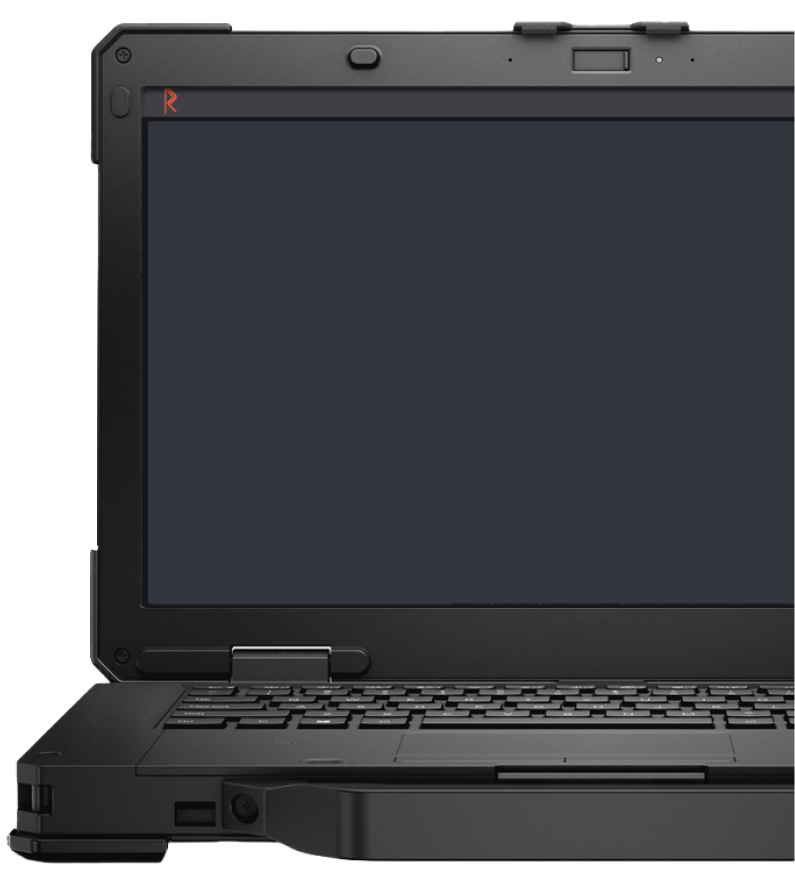

TyrOS has been deployed with the U.S. Army 4th Infantry Division throughout the NGC2 program during Ivy Sting exercises and as part of Project Convergence Capstone 6.

TyrOS has been deployed with the 1st Cavalry Division at Ft. Hood as part of Pegasus Charge with the Army Applications Laboratory.

The USMC has deployed TyrOS throughout Project Dynamis and most recently at Dynamis Serial 009.

The 25th Infantry Division deployed TyrOS throughout its Lightning Surge exercises as part of the NGC2 program.

Saga is the AI agent built on top of TyrOS’ operational and sustainment know-how and represents the future of logistics intelligence for the military.
Saga functions like a twenty-year veteran logistician who has absorbed every doctrine, after-action report, and field manual, and it learns from real-time and historic trends by unit and across the force.
Saga reasons and acts. It continuously monitors consumption, changes in the operational environment and with the latest commander’s intent.
When a decision is made, Saga can take the next step to execute it with a human in the loop: scheduling distribution missions, ordering troop movements, and taking actions that previously required a series of manual steps.
Sensors, NFC tags, and fuel sensing. This is the layer that makes the ground truth automatic instead of typed. Build the page with a future hook for the procurement flow: a "Request a TyrSense kit" path that eventually routes to the masked third-party purchase portal once that's stood up.
TyrSense is a line of ruggedized sensors that track personnel and supplies at the tactical edge. TyrSense is Rune's first suite of hardware products, extending the TyrOS platform to the units that count supplies and people in the field.
TyrSense maps to three workflows units already run by hand. For personnel accountability, scanning a tag allows setting an individual's duty status and replaces the manual roll-up that starts each day. In medical operations, a scan records each transfer of a casualty from the point of injury through each successive level of care. For cargo, tags on pallets register a shipment as it clears each node in the network. These uses extend Rune beyond sustainment into the personnel and medical workflows that still depend on manual reporting.
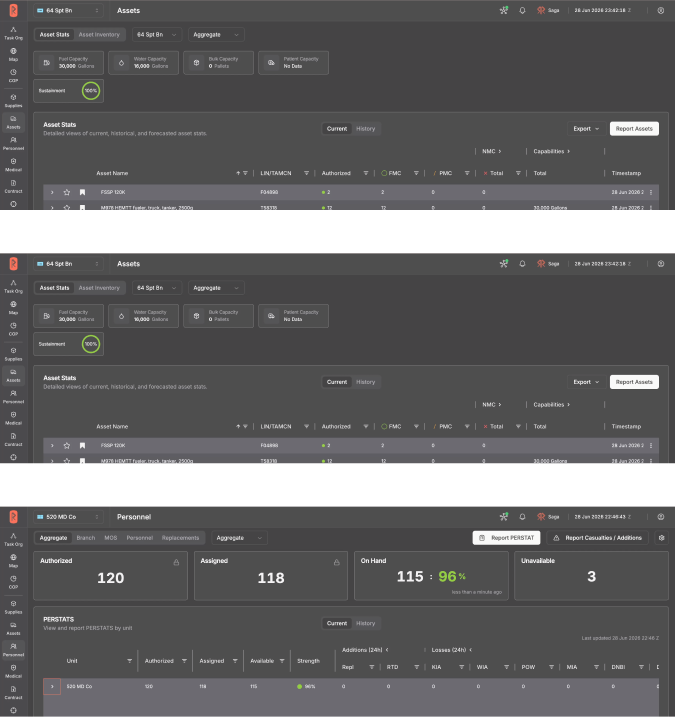
The Autonomy Development Kit page. Speaks to two audiences: program offices standing up autonomy efforts, and autonomy vendors who need to integrate.
The Autonomy Development Kit is the way any autonomous vehicle manufacturer integrates with TyrOS.
Mechanically, the ADK is a well-defined set of Application Programming Interfaces (APIs), documentation, sample code, and optional software libraries. A vendor implements the ADK APIs to register an asset type and its characteristics (cargo capacity, patient capacity, cargo class), publish telemetry (fuel, battery, position-location information, faults), and receive tasking from TyrOS. Once that work is done, the vehicle becomes schedulable inside the TyrOS Task Catalog. A logistician using TyrOS can then plan a mission using the new platform the same way they can with their manned platforms.
That's the whole thing. We deliberately scoped the ADK so an engineering team can pick it up in days, not quarters. The complexity of cross-domain scheduling lives inside TyrOS, where it belongs. The vendor side is light. We did the hard part so they don't have to.
The TAC plugin and mobile app. Short product page describing where it runs, how it syncs with Tyr, and what a logistician does with it in the field.
TyrTac is the TyrOS mobile suite, built for the device a soldier or Marine already carries. It puts supply, personnel, equipment, and distribution into one picture in the hand, with buttons sized for gloves and workflows a junior leader can run without a class. Capture works with no signal at all and syncs when there is one, so a fuel state or a personnel count gets recorded where it happens instead of traveling up the net and into a spreadsheet. From the same screen, a user can scan a TyrSense tag or compose a 9-Line MEDEVAC on the map.
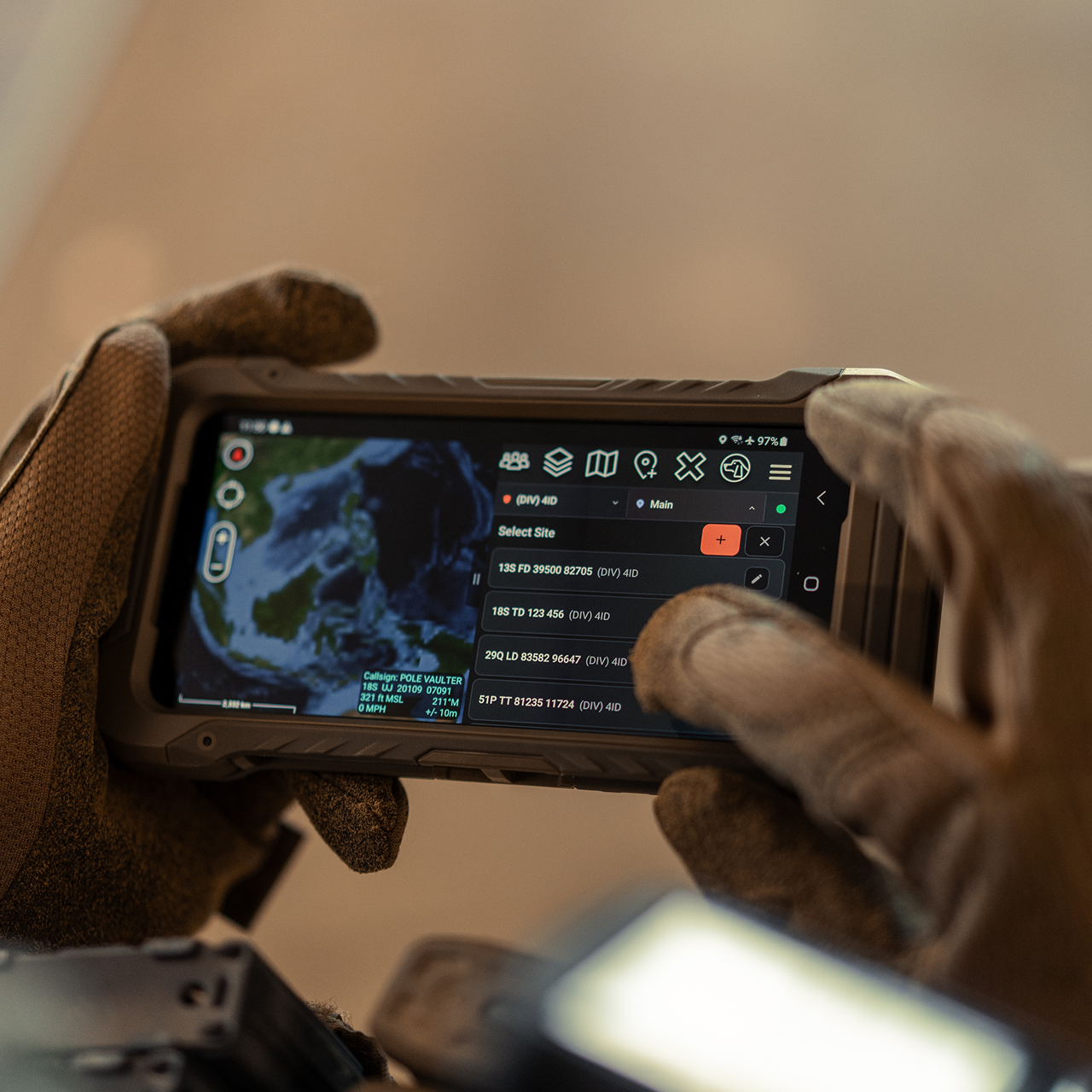
Tyr is the interface and collection point for all the information flowing into TyrOS. Built to work at every echelon, Tyr gives commanders and logisticians a full sustainment picture on the battlefield.